 MJ Kids
Screen time by age: how much gaming is healthy for kids ages 2 to 8
Up to 1 hour a day of high-quality content for ages 2 to 5, says the AAP. Here is the table by age and a way to make limits stick without tears.

The American Academy of Pediatrics (AAP) recommends no screens under 18 months except video chat, up to 1 hour a day of high-quality content for kids ages 2 to 5, and consistent limits from age 6. The World Health Organization (WHO) also says no more than 1 hour a day for ages 2 to 4, and that less is better.
Below is the table by age and what works at our house to make limits stick without a fight.
Screen time by age
| Age | Recommendation |
|---|---|
| Under 18 months | No screens, except video chat with family. |
| 18 to 24 months | If you introduce screens, choose high-quality content and watch together. |
| 2 to 5 years | Up to 1 hour a day of high-quality content, ideally with an adult. |
| 6 years and up | Consistent limits that protect sleep, physical activity and family time. |
What the WHO says for kids under 5
The WHO's 2019 guidelines treat screens together with movement and sleep. Kids ages 3 and 4 should get at least 180 minutes of physical activity a day, sleep 10 to 13 hours and have no more than 1 hour of sedentary screen time. Screen time fits inside a day full of play.
Why limits turn into fights
- The game never ends. Many free games are designed so kids never want to stop.
- The phone gets taken by surprise. To a child, it feels like punishment.
- The rule changes every day. Two hours one day, 20 minutes the next.
How to set limits without tears
- Agree before starting: how many minutes and what comes next (bath, dinner, the park).
- Give a 5-minute warning.
- Let the game end the session when it can. The ending becomes part of play, not a fight with you.
- Choose a few good games instead of many free ones.
- At bedtime, swap the screen for a story, a chat or a book.
In the MJ Kids game, when the day's time is up, the hero goes to sleep and says there's more tomorrow. For bedtime, see our personalized bedtime stories.
A game that respects your child's time
In the password-protected parents' area, you pick 15, 20, 30 or 45 minutes a day and can close the game at night.
- Daily time limit set by parents
- Closed from 8 pm to 7 am, if you want
- No ads and no purchases
- Your child is the hero
Frequently asked questions
How much screen time for a 4-year-old?
Up to 1 hour a day of high-quality content, according to the AAP and the WHO, ideally with an adult nearby.
And for a 7-year-old?
The AAP recommends consistent limits that protect sleep, physical activity and family time.
Does video chat with grandparents count?
The AAP allows video chat with family even for babies under 18 months.
How long before bed should screens go off?
At least an hour before bedtime, according to the AAP.
Sources
Junior's dad and creator of MJ Kids. He has worked in technology for over 30 years and makes games and stories where the child is the hero, with no ads.
Meet MarcosRead next
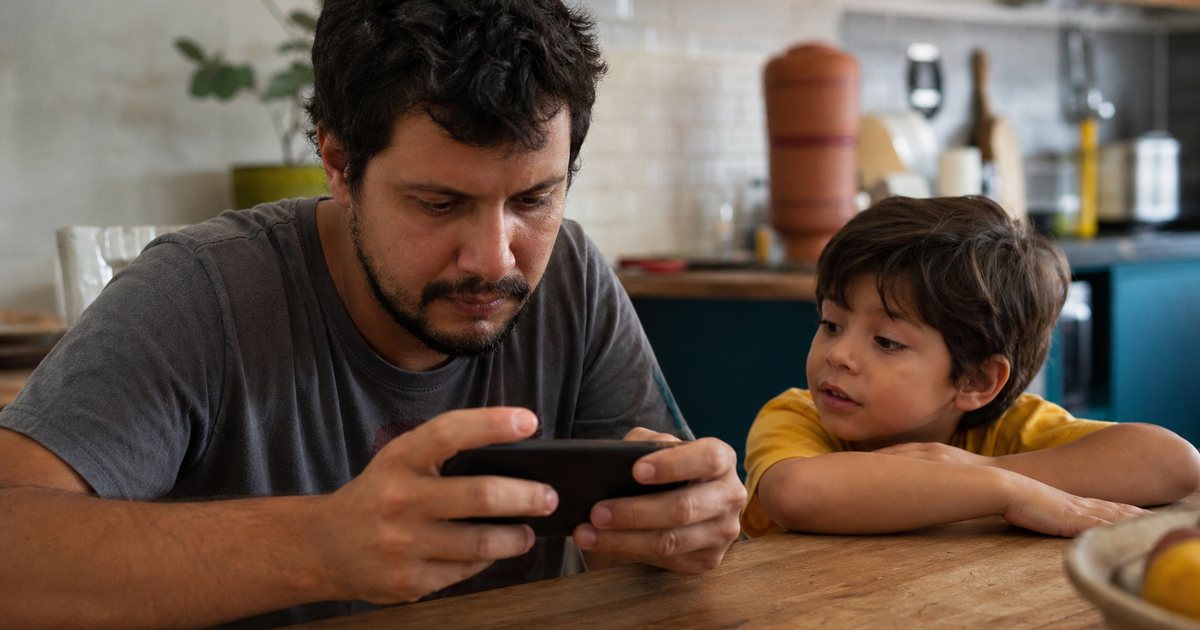
How to tell if a game is safe for your child
Before you hand over the phone, play the game yourself for 5 minutes. This checklist shows what to look for: age rating, ads, purchases, chat and time controls.
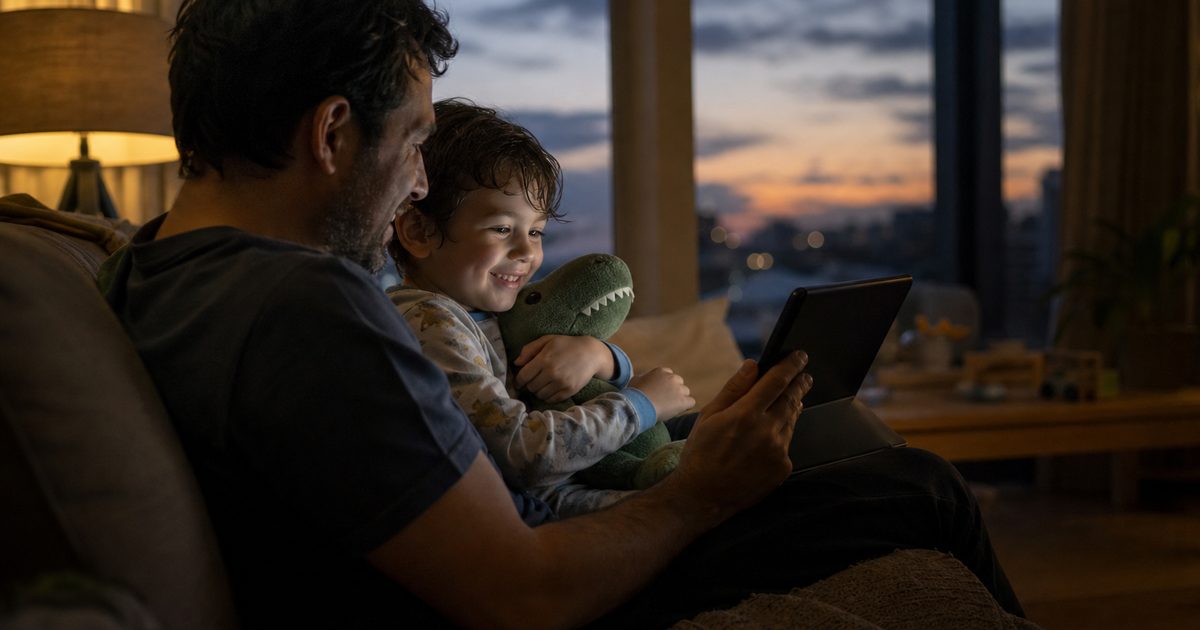
A personalized bedtime story with your child's name
Kids pay attention when they hear their own name. Here is how to use personalized stories at bedtime to teach routines, while keeping screen time in check.

Screen-free Christmas activities for families with young kids
The holidays often turn into a screen marathon. Here are 10 family activities and a simple way to agree on gaming time.