 MJ Kids
Ad-free games for kids: the story of a dad who got tired of the ads
My 4-year-old spent more time waiting for ads to end than actually playing. Here is what I learned about ads in kids' games and why I built a game just for him.
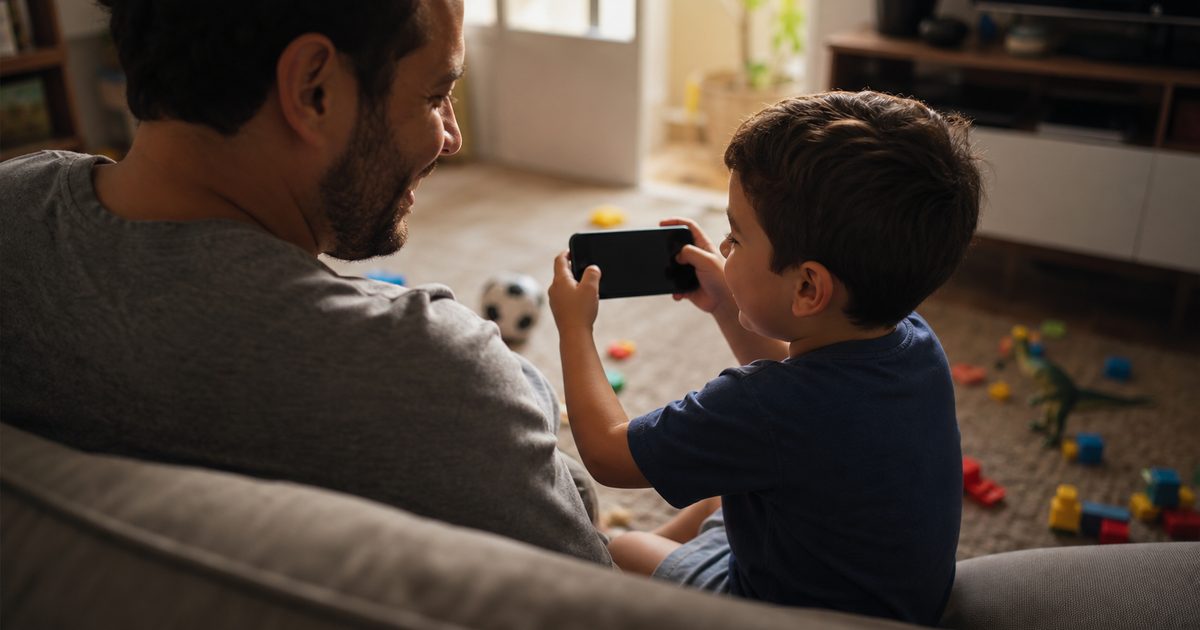
Ad-free games for kids are rare because most free children's games make money from ads: a University of Michigan study of 135 popular apps for kids ages 5 and under found advertising in 95% of them. MJ Kids was born from that problem: a dad tired of watching his son watch ads instead of play.
I'm Marcos, Junior's dad. In this post I share what was happening at home, what researchers found in kids' games and how I decided to make a game where the hero is my son, with no ads at all.
What was happening with Junior and free games
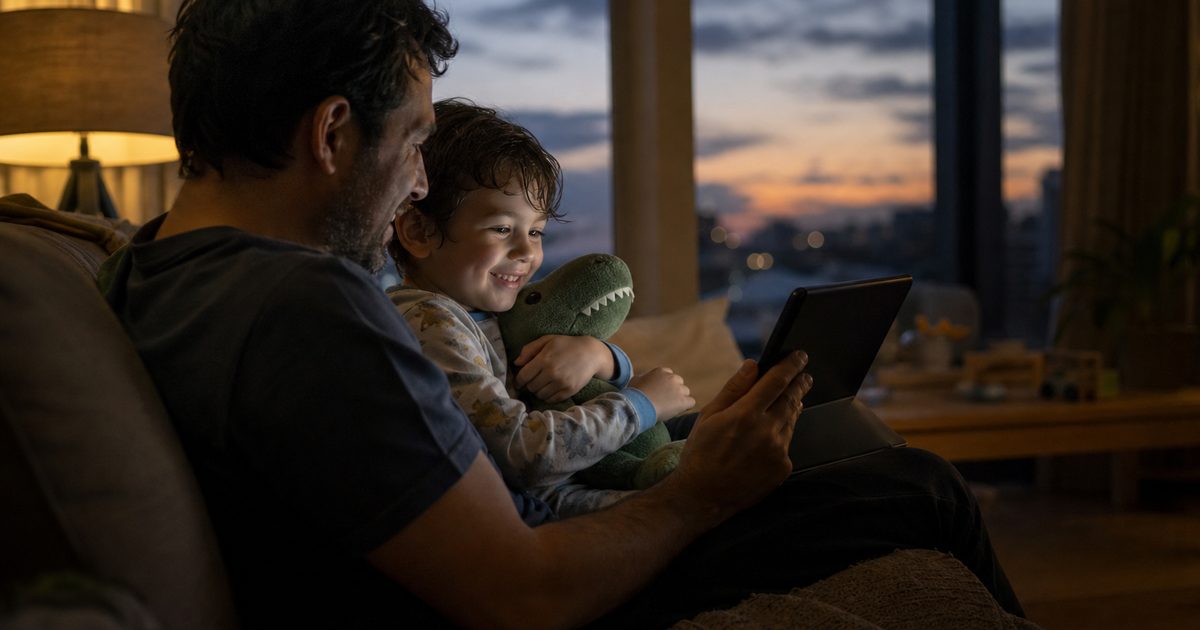
Junior is 4. He loves soccer, building bricks, dinosaurs and cars. He would pick up the phone and download one game after another, trying to find one to play.
And they were all the same: every level, every jump, every tap, another ad. A 30-second video, an ad for another game, a tiny close button. He spent more time waiting for the ad to end than playing.
Worse: a 4-year-old can't tell the difference between the game and the ad. He taps the wrong spot, lands in the app store and asks to download one more. And the cycle starts again.
What research shows about ads in kids' games
It wasn't just my impression. Researchers at the University of Michigan played 135 of the most downloaded apps for children ages 5 and under and published the results in 2018 in the Journal of Developmental and Behavioral Pediatrics.
| What they found | Result |
|---|---|
| Apps with at least one type of advertising | 95% |
| Free apps with ads | 100% |
| Paid apps that still had ads | 88% |
In other words, even paying for the app doesn't guarantee an ad-free game. And many ads show up in the middle of play, exactly when the child is focused.
Why ads hit young children harder
- They don't understand it is an ad. To a 3- or 4-year-old, a video for another game looks like part of the game.
- It breaks their focus. The game becomes a string of interruptions and the child gets restless waiting to get back.
- It takes them out of the game. One tap in the wrong place opens the app store or a website.
- It pushes purchases. Extra lives, characters and levels unlocked with money appear as part of the game.
The American Academy of Pediatrics recommends up to 1 hour a day of high-quality content for kids ages 2 to 5. If part of that hour is ads, there is little real play left. I go deeper in the guide to ads in kids' games and what the rules say.
The day I made a game just for him
I have worked in technology for over 30 years. One day I thought: if I can't find a good game for my son, I'll make one.
I made a video game where the hero is Junior himself, in the number 19 jersey he loves, with a voice that calls him by name. He plays soccer, runs from dinosaurs, drives cars and builds things with toy bricks. Nobody loses: if he bumps into something, he gets up and keeps going. Everything is spoken, because he can't read yet.
And there are no ads. No ads, no hidden purchases, no links out of the game. You can play the demo of Junior's game on your phone.
What a truly ad-free kids' game looks like
After a lot of testing with Junior, I ended up with a list of what a game for young kids needs. Use it as a checklist for any game, not just mine:
- No ads at all: no video, no banner, not even for another game from the same company.
- No in-game purchases and no virtual currency.
- No chatting with strangers and no links out of the game.
- A time limit for parents that the child can't turn off.
- Spoken instructions for kids who can't read yet.
- Works offline, so it doesn't depend on a connection or send data.
That became MJ Kids. Today I make the same game for other families, with a character drawn to look like each child. See how the personalized game with your child's name works.
What changed at home
Junior asks to play his game. He recognizes himself in the character, laughs when the voice says his name and shows it to his grandparents. When the day's time is up, the hero goes to sleep and says there's more tomorrow. No fights to take the phone away, because the game itself ends the session.
Then came the narrated bedtime stories, with him as the hero. The first one was about brushing his teeth.
Want an ad-free game where your child is the hero?
MJ Kids makes your child's game with a character that looks like them and a voice that calls them by name. You get the link within 24 hours of sending the details.
- Zero ads, no in-game purchases and no chat
- Daily time limit and an option to close the game at night
- Works offline, no app to download
- Yearly plan with no automatic renewal; if you don't renew, the game keeps working
Frequently asked questions
Are there free games for kids without ads?
A few, usually from public broadcasters or educational nonprofits. Most free games make money from ads: the University of Michigan study found advertising in every free app it analyzed.
Does paying for a game guarantee no ads?
No. In the same study, 88% of paid apps still had some type of advertising. Test the game before giving it to your child.
Does the MJ Kids game have any ads?
No. There are no ads, no in-game purchases, no chat with strangers and no links out of the game. Play time and builds are stored only on your family's device.
What age is the MJ Kids game for?
Ages 3 to 8. The controls are big, the instructions are spoken and nobody loses.
How much screen time is recommended for kids ages 2 to 5?
The American Academy of Pediatrics recommends up to 1 hour a day of high-quality content, ideally with an adult nearby, and no screens for babies under 18 months.
Sources
Junior's dad and creator of MJ Kids. He has worked in technology for over 30 years and makes games and stories where the child is the hero, with no ads.
Meet MarcosRead next
A personalized video game with your child's name: how it works
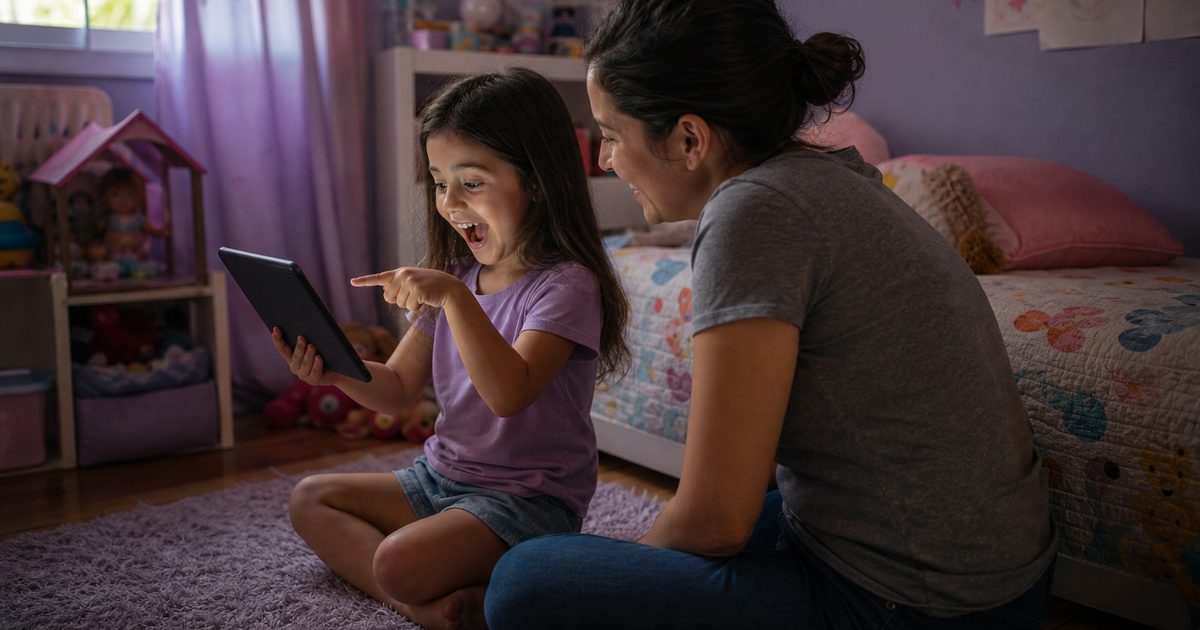
A character that looks like your child, a voice that says their name and a link that becomes an icon on the phone. Here is how MJ Kids makes your child's game, step by step.
Ads in kids' games: what COPPA says and how to protect your child
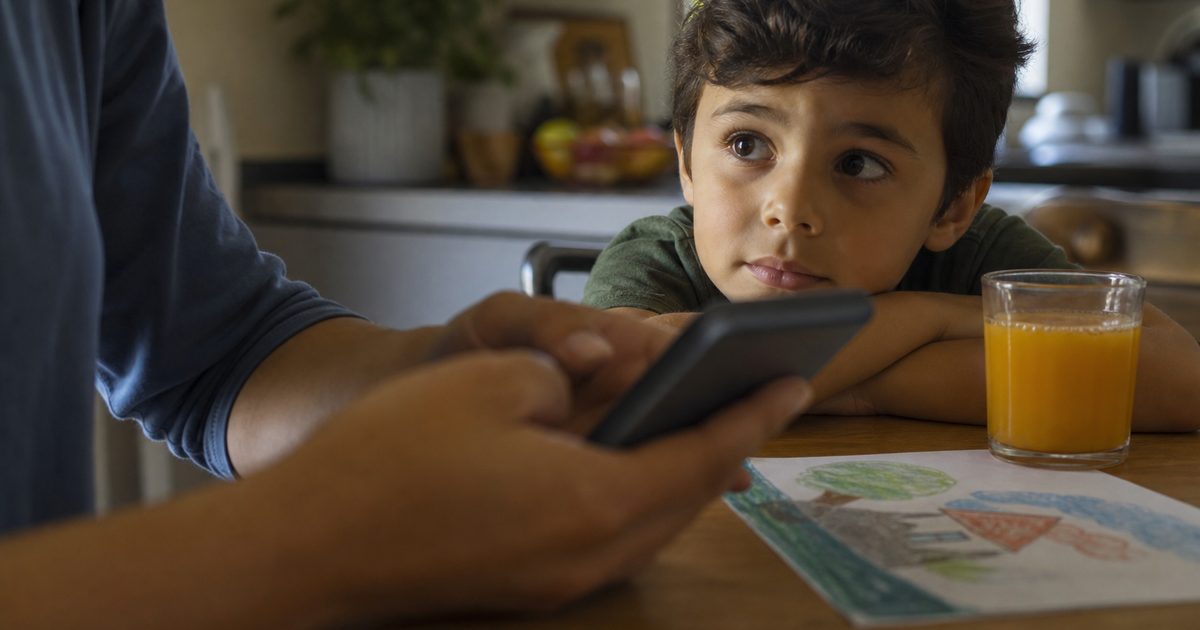
Since April 2026, apps covered by COPPA need a separate parental consent before sharing a child's data for targeted ads. Here is what changed, what didn't and what you can do today.
A personalized bedtime story with your child's name
Kids pay attention when they hear their own name. Here is how to use personalized stories at bedtime to teach routines, while keeping screen time in check.